Somewhere in the last two years, "film yourself talking to a camera" stopped being the only way to put your face on the internet. You can now generate videos of yourself — your face, your voice, your delivery — from a single photo and a few seconds of audio. I build this technology at Regent, so I have an obvious bias, and I'll flag it where it matters. But I'm going to explain this the way I'd want it explained to me: what cloning actually is, what each tool requires and costs, where the realism honestly stands today, and the ethics section most articles skip.
#What does it actually mean to "AI clone yourself" for video?
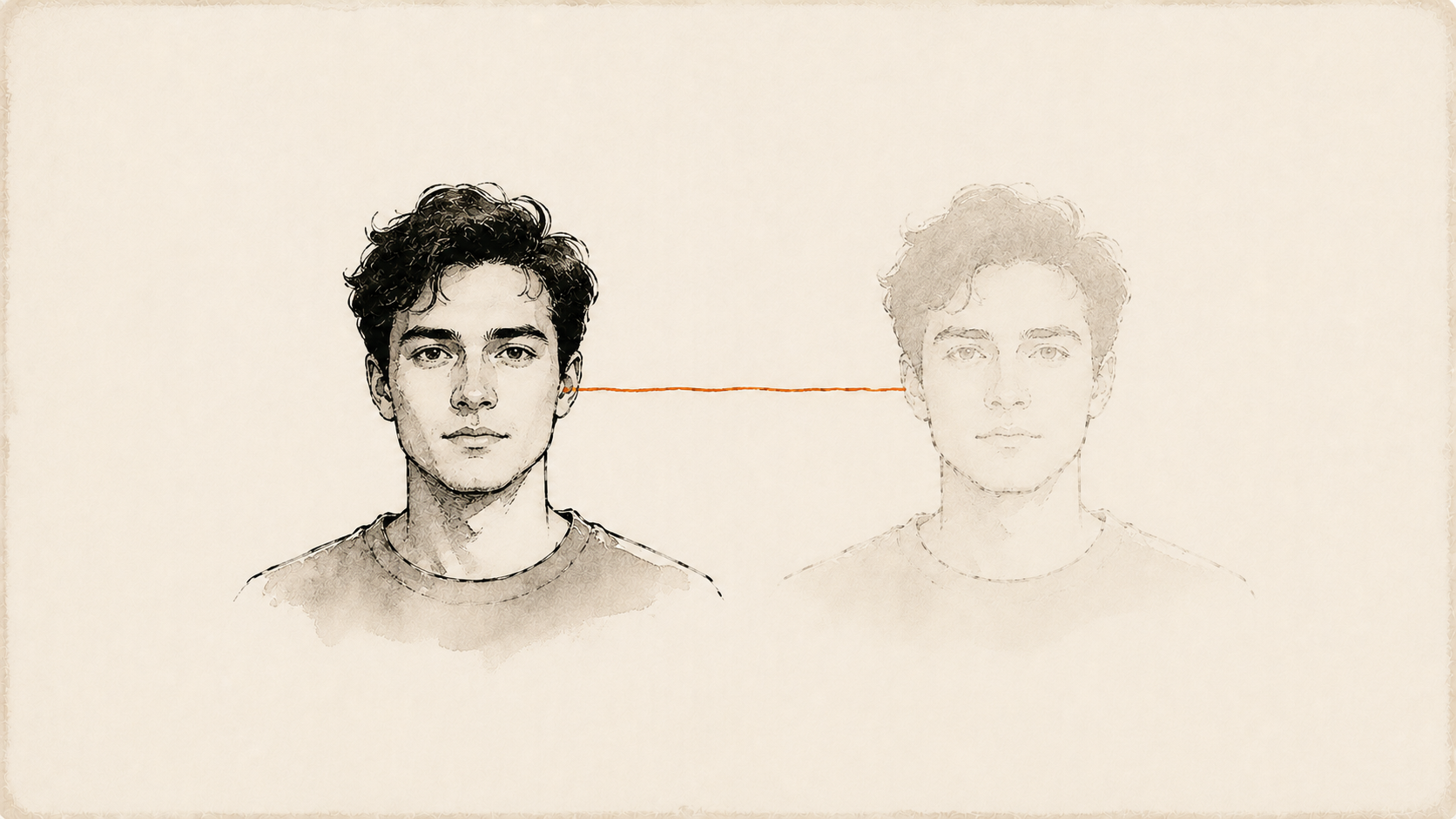
An AI video clone is a digital version of you built from two assets: your likeness and your voice. Software learns how your face moves when you speak and what your voice sounds like, then renders new videos of you saying any script you type — no camera, no microphone, no filming session.
Under the hood there are two separate systems. The avatar model handles your appearance: it takes your photo or footage and animates it, syncing lip movements to audio. The voice model handles sound: it analyzes a sample of your real speech and generates new speech in that voice. Stitch them together and you get a talking-head video that was never filmed. Early versions of this required studio sessions and training fees. The current generation works from inputs you can capture on your phone in under a minute, which is why "clone yourself" went from enterprise novelty to creator workflow.
#What do you need to create an AI clone of yourself?
Far less than most people assume. At Regent, the avatar comes from one clear photo and the voice clone from a 15-second audio sample. Other tools ask for more — typically a minute or two of talking footage for higher-fidelity "studio" avatars — but the entry requirements have collapsed.
Whatever tool you use, input quality decides output quality. For the photo: face the camera directly, use even lighting, keep the background simple, and don't use a heavily filtered shot — the model will faithfully animate whatever you give it, filters included. For the voice sample: record in a quiet room, speak at your natural pace, and talk the way you actually talk on camera, not the way you read aloud. A stiff, formal sample produces a stiff, formal clone. If you want the deeper technical detail on how we handle each side, the avatar feature page covers the rendering and the voice engine page covers cloning from the 15-second sample.
#Which apps can clone you for video?
The four I'd shortlist in 2026: HeyGen for general-purpose avatar video, Captions for mobile-first editing with cloning built in, Argil for social-native clips, and Regent if you want the clone embedded in a full Instagram pipeline. They differ more on workflow and pricing than on raw clone quality.
HeyGen is the most established player. Per its published pricing, the free plan includes 3 watermarked videos per month, and the Creator plan runs $29/month with credit limits on premium avatar rendering. It's built for breadth — marketing videos, training content, translation — and the avatar quality is strong. If you need long-form or multilingual video, it's the mature pick.
Captions is a mobile-first video editor with cloning as one feature in the suite. Per its published plans, Pro is $9.99/month with 200 monthly credits and Max is $24.99/month with 500. If you mostly edit footage you filmed and want occasional AI generation, it's the cheapest credible option.
Argil is built specifically for social clips. Per its published pricing, Classic is $39/month with one avatar clone and roughly 25 minutes of video, and Pro is $149/month. It leans into the AI-creator use case harder than HeyGen does.
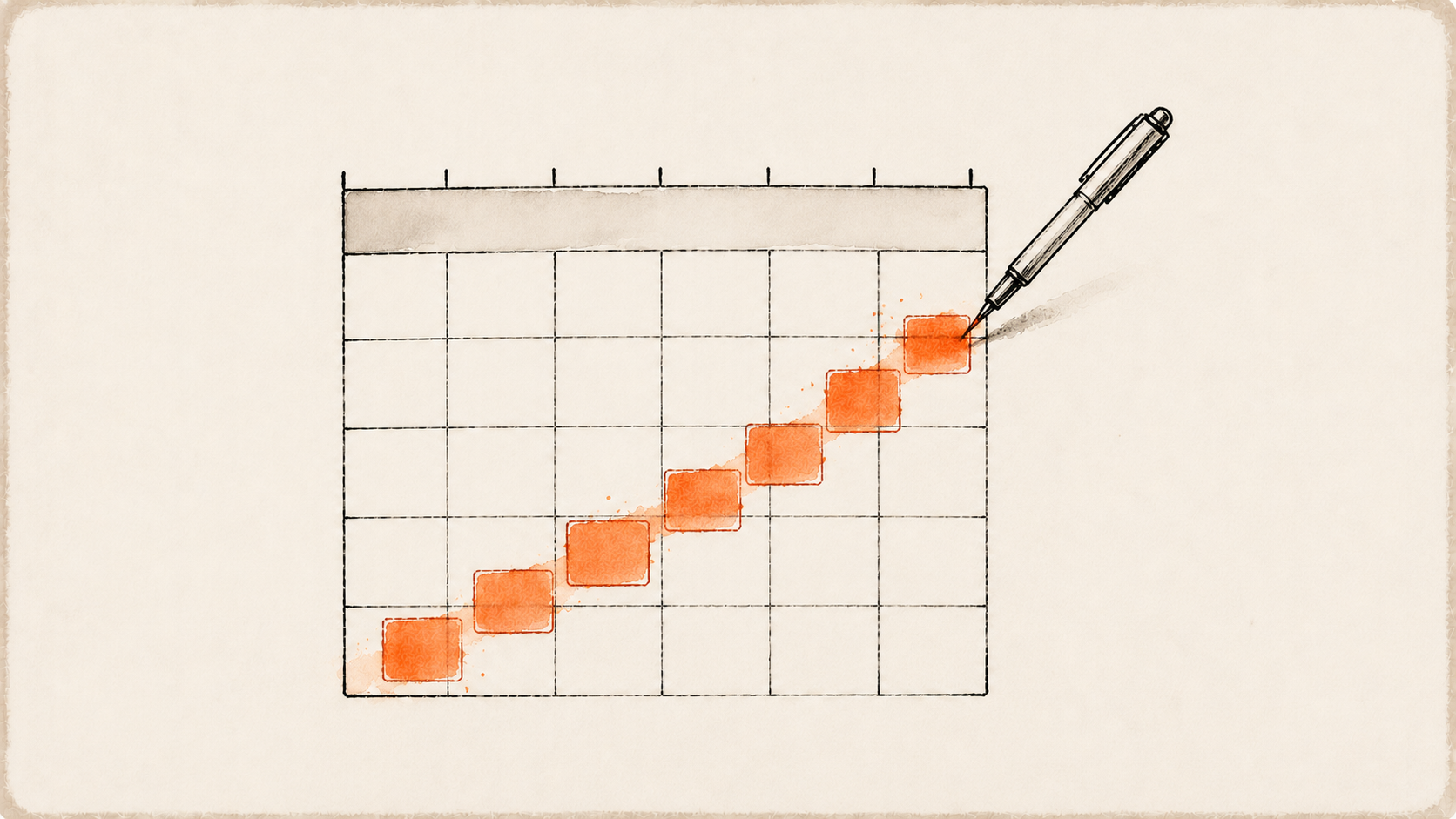
Regent — my product, so calibrate accordingly — treats the clone as one step in a pipeline rather than the product. It watches competitor accounts for content ideas, builds a weekly calendar, writes scripts, renders the lip-synced reel from your one photo and 15-second voice sample, and publishes to Instagram at peak time. It's in free public beta, capped at 100 creators; post-beta pricing starts at $24.99/month. If you just want an avatar generator to feed scripts into, the other three are better scoped. If Instagram is your platform and you want the whole loop handled, that's the case Regent is built for.
#Is it ethical to clone yourself with AI?
Cloning yourself is the clearly ethical use of this technology: your face, your voice, your consent. The lines that matter are elsewhere — never clone another person without explicit permission, never use a clone to deceive your audience about something material, and follow disclosure norms where platforms have them.
This isn't a hypothetical concern; impersonation is the failure mode the whole category gets judged by. Regent's position is consent-only: we clone the account owner, nobody else, and our security page documents that policy. On disclosure: my honest read is that audiences don't punish AI-assisted content, they punish discovering it after the fact. Saying "some of my reels are AI-rendered so I can show up consistently" costs you almost nothing. Being caught pretending costs trust you don't get back.
#How realistic do AI clones look and sound in 2026?
Good enough for short talking-head content; not flawless. Voice cloning is further along than avatar video — a well-made voice clone is genuinely hard to catch, while avatars can still show stiff gestures or mouth artifacts in long takes. Plan for convincing 15–60 second reels, not ten-minute monologues.
Where clones shine: scripted, information-dense delivery — tips, breakdowns, announcements — at short lengths, where the avatar's slight smoothness reads as "polished" rather than "off." Where they struggle: laughter, big emotional swings, fast head turns, and anything improvisational. And the founder admission: your real filmed footage still beats the clone for connection. The clone's job isn't to replace you. It's to cover the days you can't film, so your account doesn't go dark every time life happens.
#How should you actually use a clone day to day?
Treat the clone as your consistency layer, not your replacement. Use it for scripted, information-dense reels on days you can't film, and keep filming the personal, reactive content yourself. Mixed feeds — some cloned, some real — hold up better than feeds that are entirely one or the other.
A rhythm that works: batch-film your personal content when you have energy and time, and let the clone carry the structured content between those sessions. Write scripts in your actual speaking voice — read them aloud once before rendering; if a sentence feels unnatural to say, it will look unnatural coming out of your avatar. Keep cloned reels under a minute. And judge cloned content by the same bar as filmed content: a weak hook fails either way.
If you want to try this without spending anything, Regent's public beta is free while it lasts — one photo, a 15-second voice sample, and the pipeline from idea to published reel is handled. It's capped at 100 creators, Instagram only. Apply at heyregent.com.